

The 8:8:8 rule for lavender is a simple yet effective watering method that helps young plants establish quickly after planting and develop a strong root system.
The method is based on three numbers: during the first eight weeks after planting, lavender is watered once every eight days using about 8 ounces of water (approximately 0.24 liters). It was described by Express (https://www.express.co.uk/life-style/garden/2193155/lavender-gardening-tip-8-rule).
This schedule provides the plant with just enough moisture for steady growth while avoiding the risk of water stagnation in the soil.
Lavender is rightfully considered one of the most popular plants for gardens, balconies, and terraces. It is valued for its rich fragrance, decorative purple blooms, and ability to tolerate drought well. At the same time, during the early stages of growth, the plant requires a more careful approach, as this is when its future resilience is established.
Why the 8:8:8 Rule Really Works for Lavender
This method is especially useful for young seedlings and potted plants that have not yet developed strong roots. During this period, both excess and lack of moisture can significantly affect growth.
The main idea is simple: do not “overwater” the plant. Lavender is naturally adapted to dry conditions and reacts much worse to overwatering than to short-term water shortages. That is why watering once every eight days helps it adapt without stress.
How to Water Lavender Properly Without Damaging the Roots
In the case of lavender, less frequent but deep watering works far better than frequent shallow watering. Water should pass through the entire soil layer rather than remain only at the surface.
This is especially important for potted plants: the substrate should dry out completely between waterings. These dry periods encourage the roots to grow deeper and make the plant more resilient.
How to Tell Whether Lavender Needs Watering
There is a simple way to check: just insert your fingers into the soil. If the top feels dry, it does not necessarily mean there is no moisture deeper down. Moisture often remains below the surface, and watering too early can do more harm than good.
Another important indicator is drainage. If water flows out through the holes at the bottom of the pot after watering, it means the moisture has been distributed properly throughout the entire volume of soil.
The Main Principle of Lavender Care
Lavender does not require excessive care in fact, it is easy to “love it too much” with water. The best approach is to allow the soil to dry out completely from time to time and water less often, but thoroughly.
This type of care helps the plant develop strong roots, tolerate drought better, and produce abundant fragrant blooms year after year.


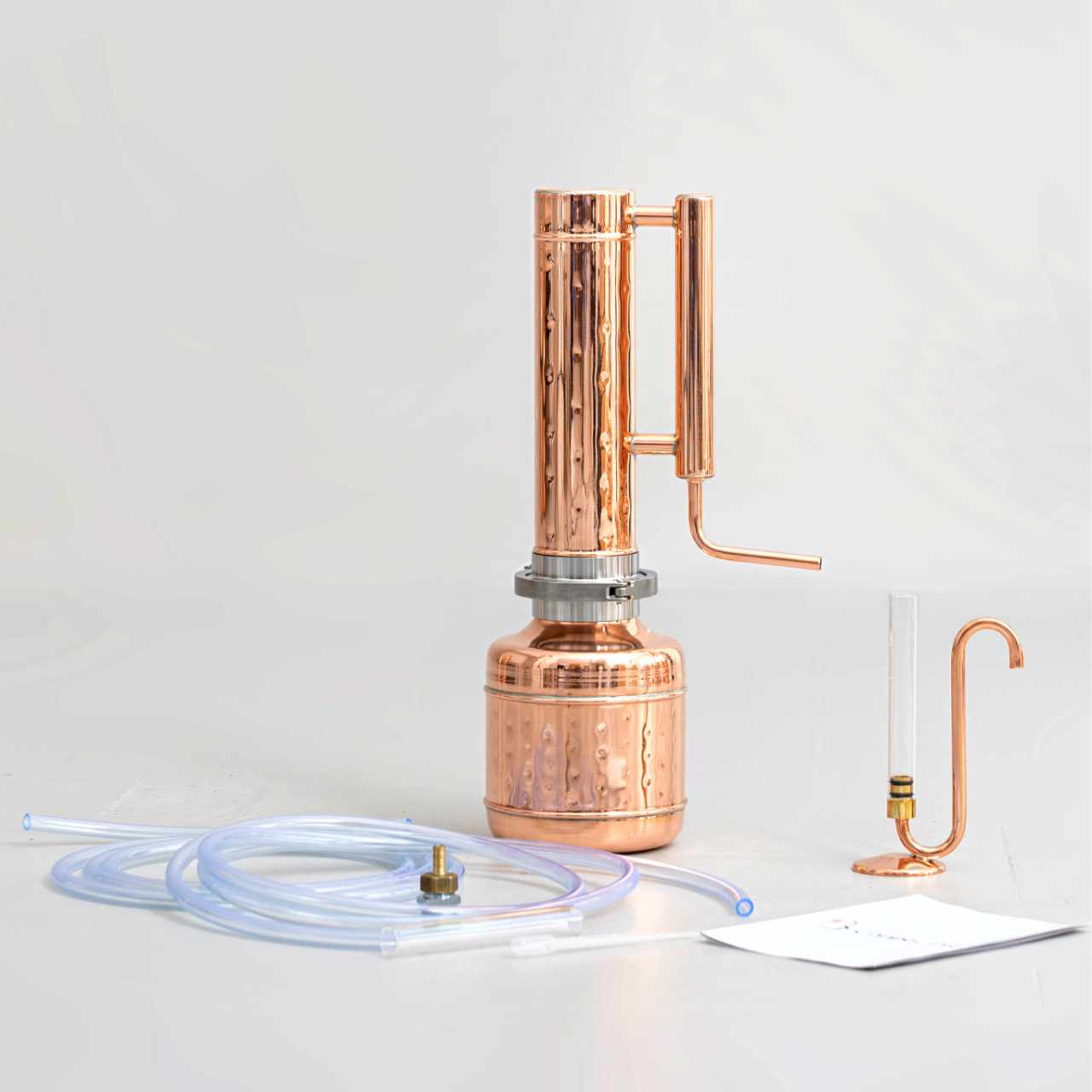
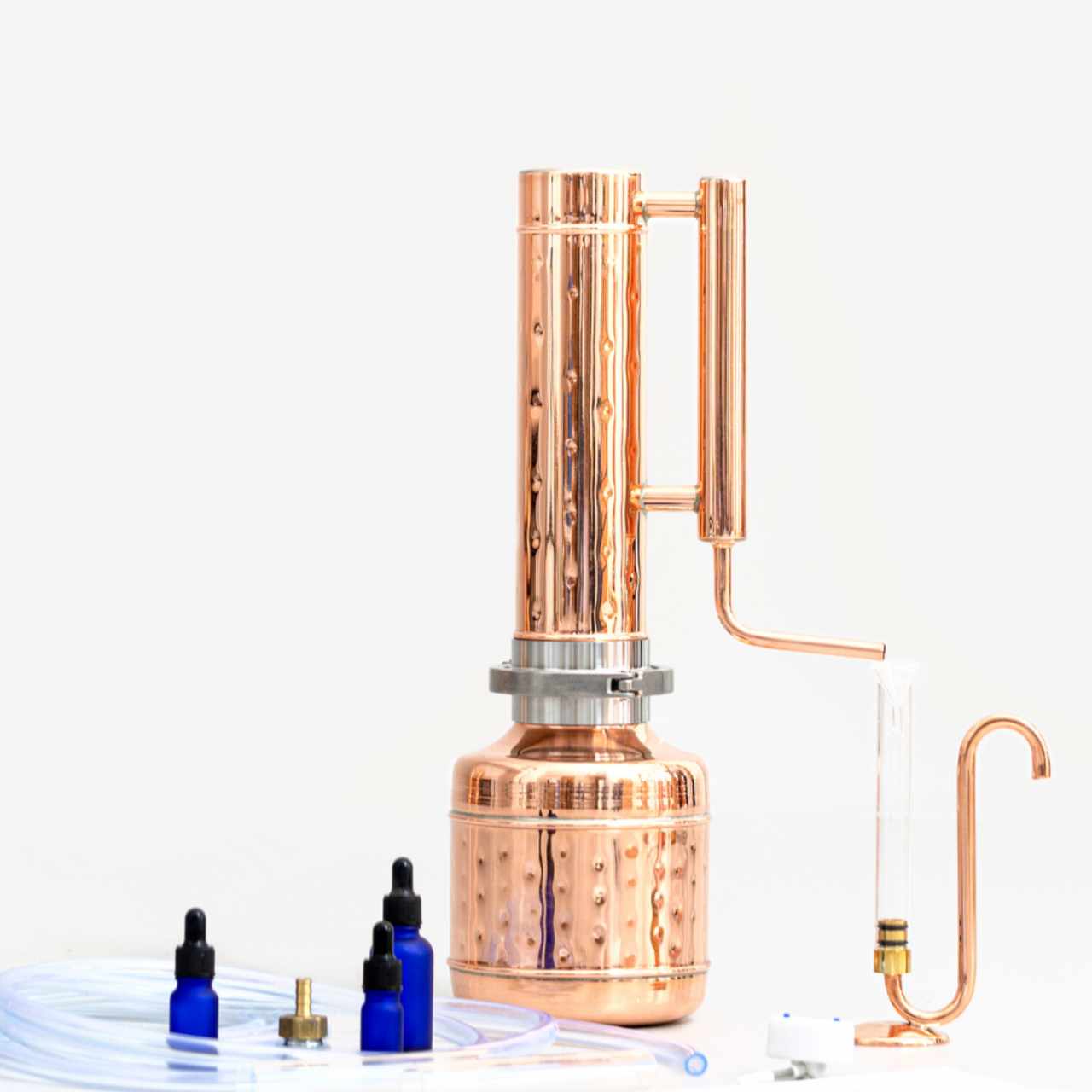
![Essential oil extractor 0.53G (2L) - [Premium Kit] - Copper Pro](http://copper-pro.com/cdn/shop/files/essential-oil-extractor-053g-2l-premium-kit-165442.jpg?crop=center&height=1080&v=1740390491&width=1080)

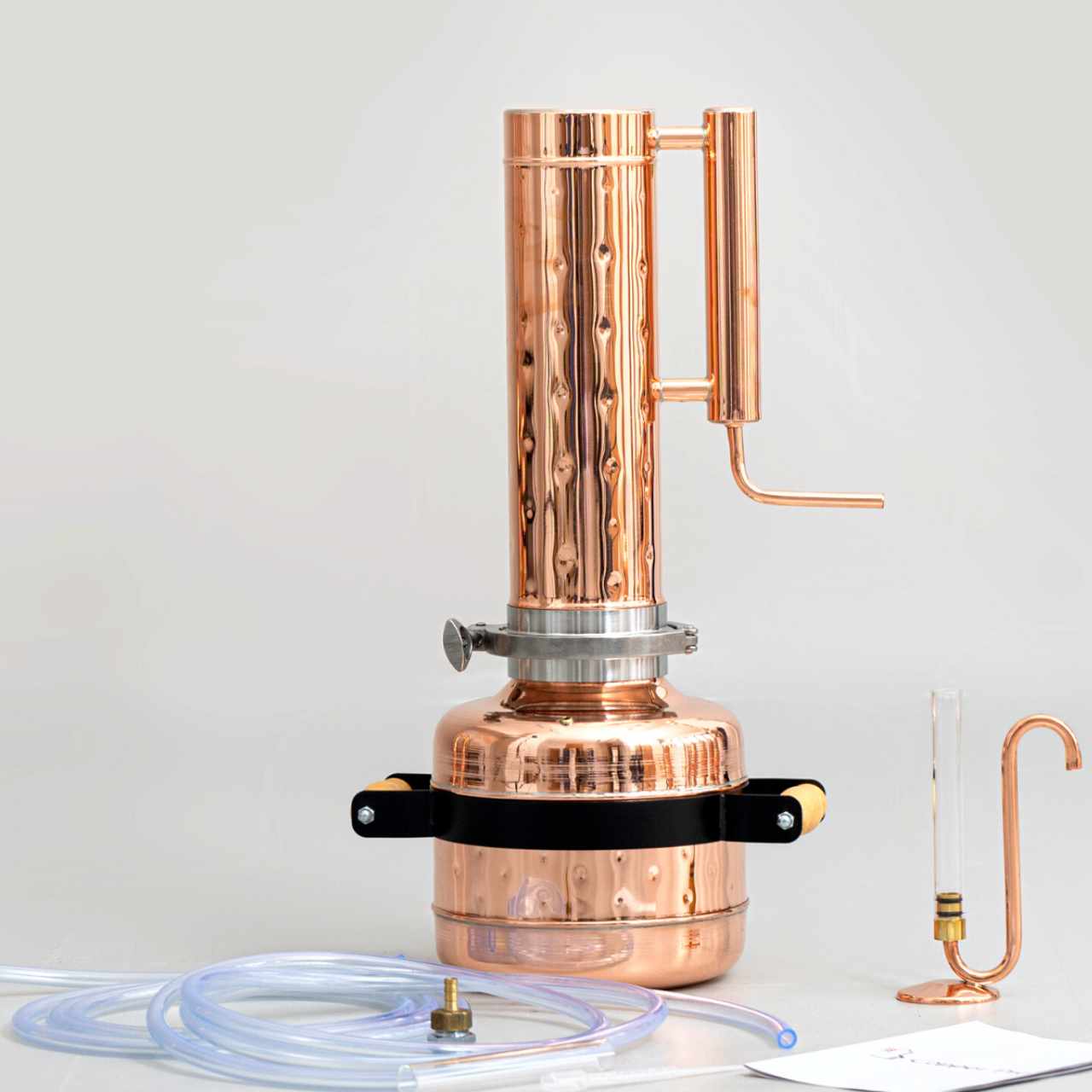
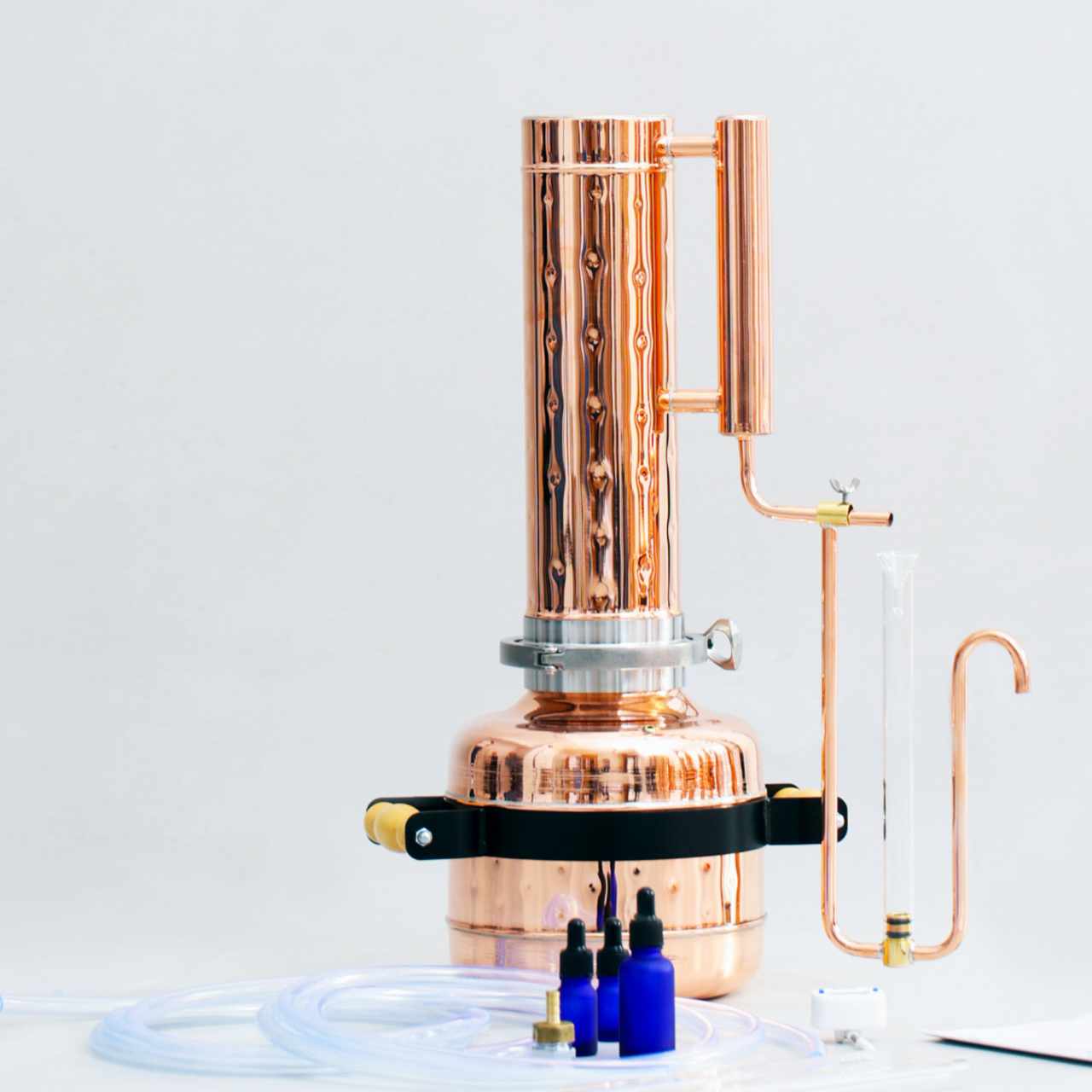
![Essential oil extractor 0.53G (2L) - [Premium Kit] - Copper Pro](http://copper-pro.com/cdn/shop/files/essential-oil-extractor-053g-2l-premium-kit-127057.jpg?crop=center&height=1280&v=1740390471&width=1280)

Comments (0)
Back to Blog Posts