

Lavender can bloom for many years in a row if it is properly pruned each year after flowering. This simple procedure takes only a few minutes but helps the shrub remain dense, tidy, and vigorous.
Overall, lavender is a low-maintenance plant as long as it grows in a sunny location with well-drained soil. Gardener Monty Don advises against waiting until the flowers have completely turned brown or produced seeds.
When to Prune Lavender
According to Monty Don, the best time to prune lavender is as soon as the flowers begin to fade. Depending on the variety, this may be anytime from mid-summer to late August.
It is important not to delay pruning. If you wait until seed heads have formed or the flowers have fully browned, the plant will have less time to produce new growth before winter. These young shoots help the shrub survive the colder months and form the foundation for next year’s blooms.
How the 5-Minute Method Works
The method is simple: after flowering, trim the shrub to maintain a compact shape. Lavender should be pruned quite firmly, but not back into bare wood.
Young green shoots should remain on every stem. This is very important because lavender often struggles to regenerate from old woody growth. If the shrub is cut back too severely, the plant may weaken or even die.
After proper pruning, new shoots will quickly begin to grow. They will form a healthy, dense cushion that protects the plant during winter and serves as the basis for fresh flowering the following season.
Why Lavender Should Never Be Left Unpruned
If lavender is not pruned, it gradually becomes woody, sparse, and untidy. The shrub grows leggy, becomes bare at the base, and produces fewer flowers each year.
Regular pruning helps maintain the plant’s shape, encourages fresh growth, and extends the life of the shrub. That is why this procedure should be carried out every year, even if the lavender appears healthy.
How to Water Lavender in Summer
During hot weather, lavender is best watered deeply but not too frequently. The plant does not tolerate waterlogged conditions, so the soil should be allowed to dry out well between waterings.
Established shrubs growing in open ground generally require less water. Young plants and lavender grown in containers, however, need more regular watering because the soil in pots dries out more quickly.
The most important rule is not to overwater lavender. Excess moisture is more dangerous to the plant than a short period of drought.


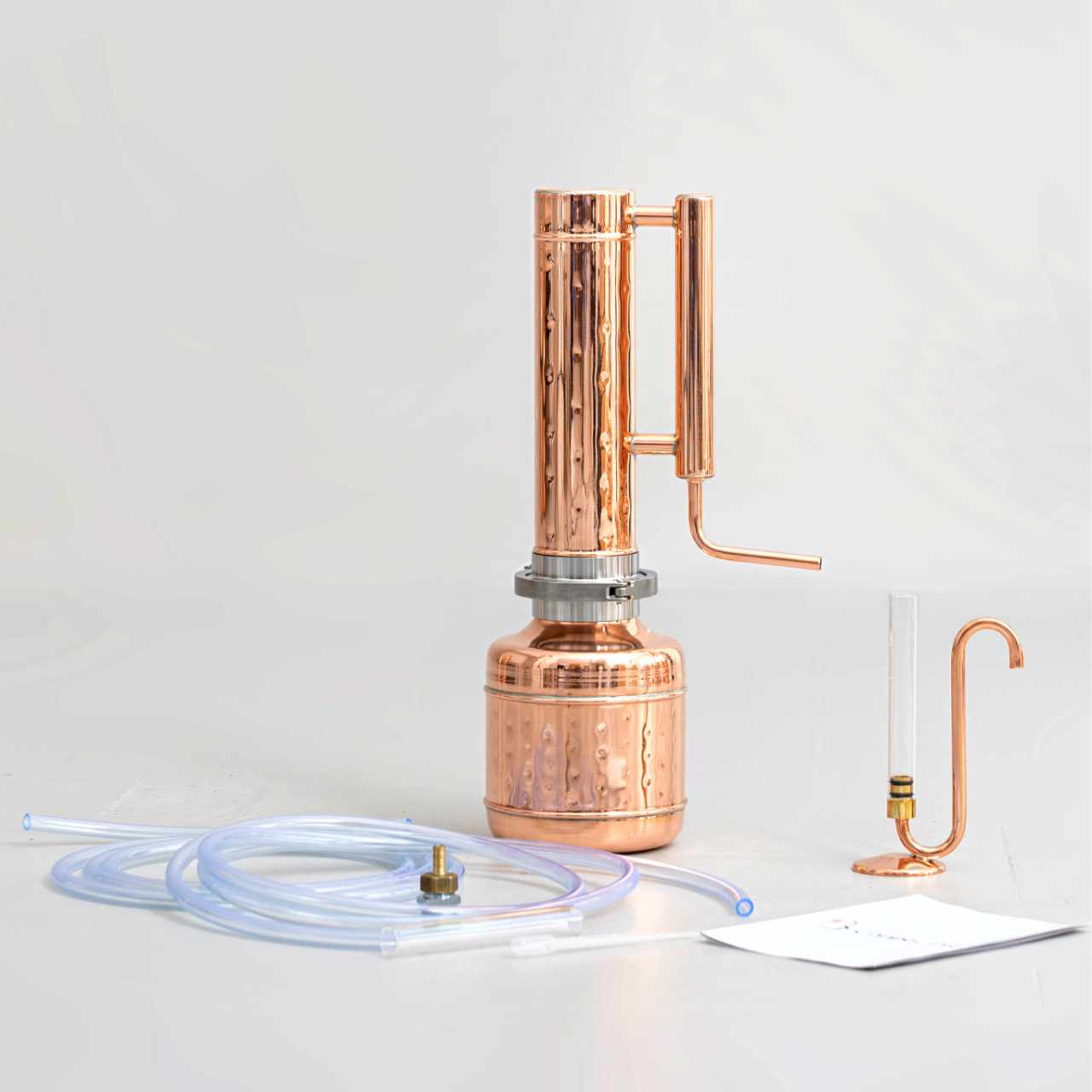
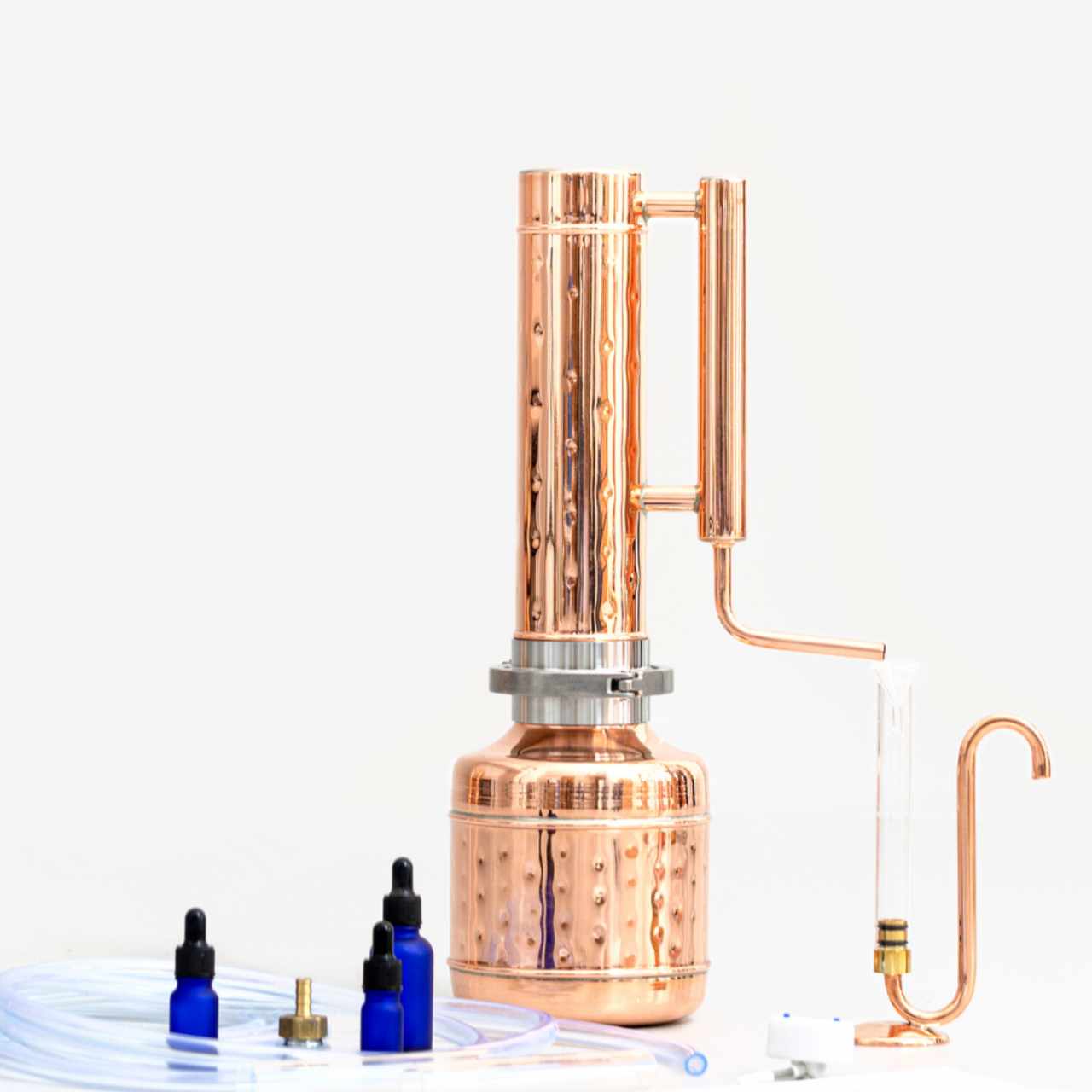
![Essential oil extractor 0.53G (2L) - [Premium Kit] - Copper Pro](http://copper-pro.com/cdn/shop/files/essential-oil-extractor-053g-2l-premium-kit-165442.jpg?crop=center&height=1080&v=1740390491&width=1080)

![Essential oil extractor 0.53G (2L) - [Premium Kit] - Copper Pro](http://copper-pro.com/cdn/shop/files/essential-oil-extractor-053g-2l-premium-kit-127057.jpg?crop=center&height=1280&v=1740390471&width=1280)
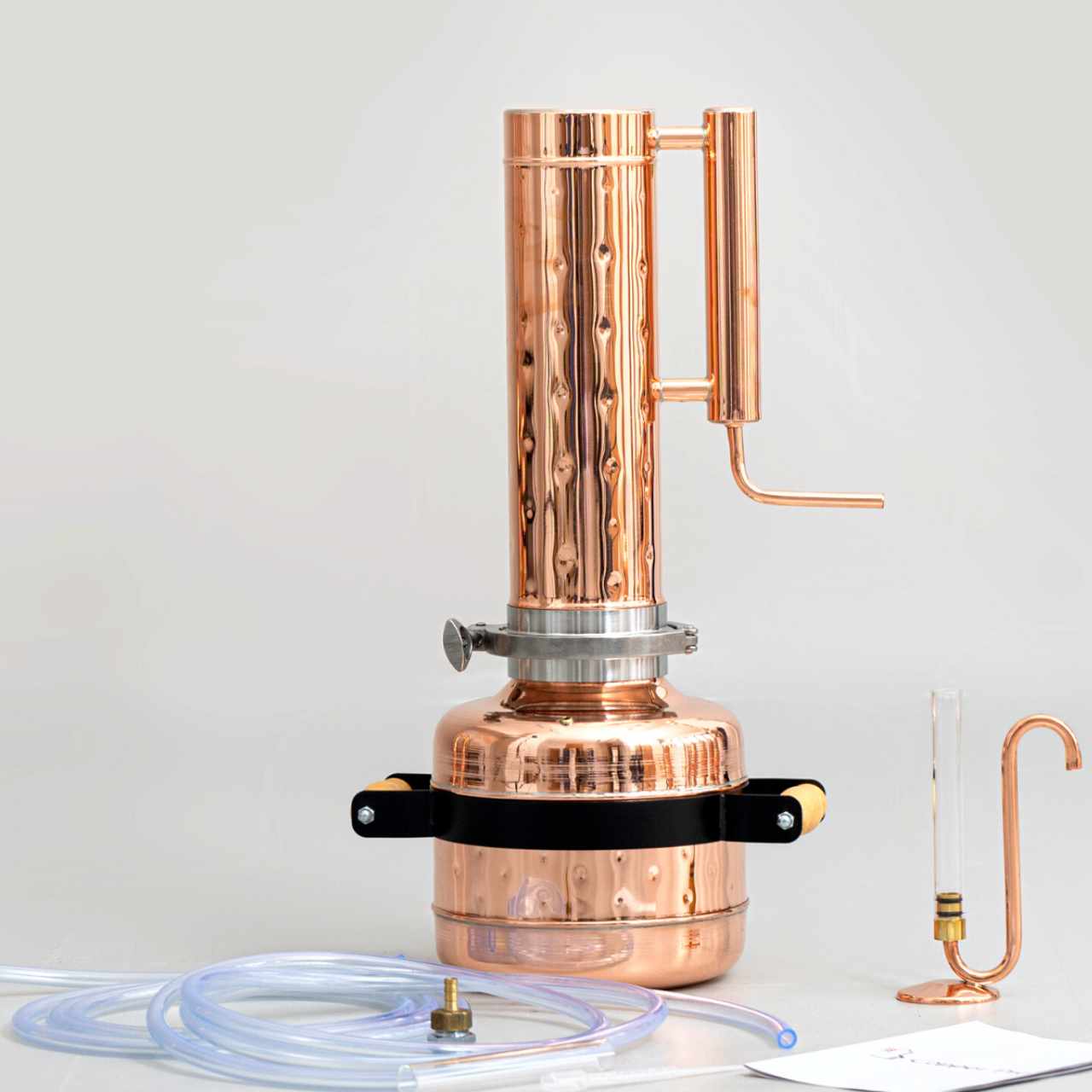
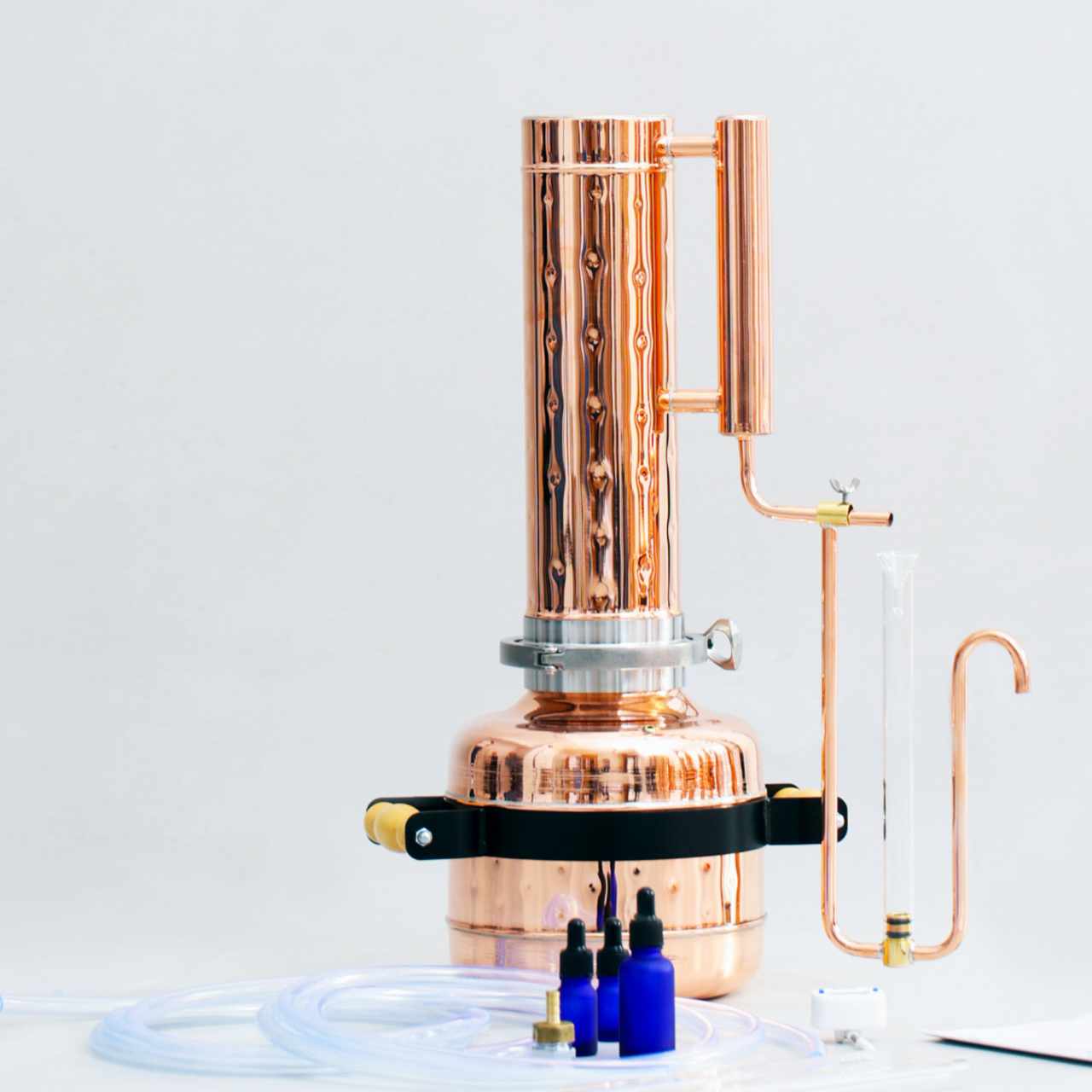

Comments (0)
Back to Blog Posts